
Introduction
Training plays a major role in shaping Penny the Doberman into a calm, confident, and well-behaved dog. Dobermans are highly intelligent, and Penny is no exception. With the right approach, training her becomes less about control and more about communication and trust.
In this article, we’ll cover practical training tips for Penny the Doberman, what works best for this breed, and how consistent training supports long-term good behavior.
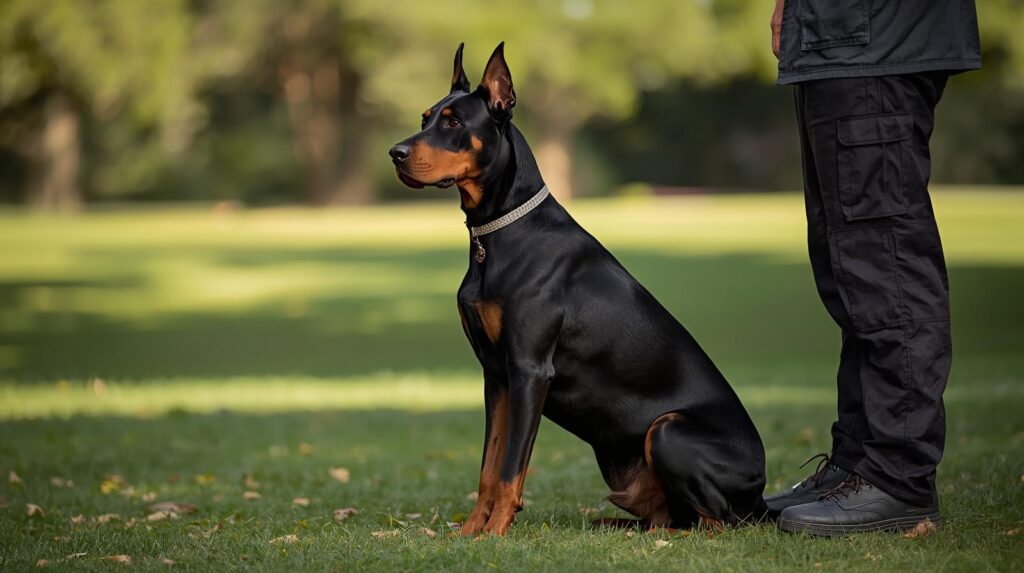
Why Dobermans Like Penny Are Easy to Train
Penny the Doberman learns quickly because she is alert, focused, and eager to please. Dobermans are known for their problem-solving ability and strong memory, which makes training smoother when done correctly.
Key reasons Penny responds well to training:
- High intelligence
- Strong bond with her owner
- Ability to understand tone and body language
- Desire for structure and routine
Training works best when it is calm, consistent, and reward-based.
Use Positive Reinforcement
Positive reinforcement is the most effective training method for Penny the Doberman. Rewarding good behavior builds trust and motivation.
Effective rewards include:
- Verbal praise
- Treats in small portions
- Playtime or affection
Harsh punishment is not recommended, as it can damage confidence and trust.
Keep Training Sessions Short and Consistent
Penny performs best with short training sessions repeated daily. Long or repetitive sessions can cause mental fatigue.
Best practice:
- 10–15 minutes per session
- 1–2 sessions per day
- Clear and consistent commands
Consistency matters more than intensity.
Training and Daily Routine Go Together
Training is most effective when it becomes part of Penny’s daily routine. A predictable schedule helps her stay focused and relaxed.
To understand how structure supports training, read the
ߑ Penny the Doberman daily routine guide.
Socialization Is a Key Part of Training
Early and ongoing socialization helps Penny remain calm around people, dogs, and new environments. This reduces fear-based reactions later in life.
Socialization includes:
- Exposure to new places
- Calm interactions with people
- Supervised time with other dogs
This helps build confidence and emotional balance.
Internal Link to Behavior (Related Topic)
Good training directly influences daily behavior. You can learn more about how training shows up in real life in the
ߑ Penny the Doberman behavior article.
Internal Link to Pillar Page (Important)
For a complete overview of Penny’s personality, care, routine, and real-life experience, visit the
ߑ Penny the Doberman complete guide.
Are These Training Tips Good for Families?
Yes, these training tips work especially well for families. When Penny is trained with patience and consistency, she becomes respectful, reliable, and safe around children and guests.
Family involvement in training further strengthens her bond and obedience.
Final Thoughts
Penny the Doberman’s training success proves that Dobermans thrive with positive reinforcement and structure. With the right approach, training becomes a rewarding experience for both the dog and the owner.
If you’re raising a Doberman, Penny’s training style is a great example to follow.